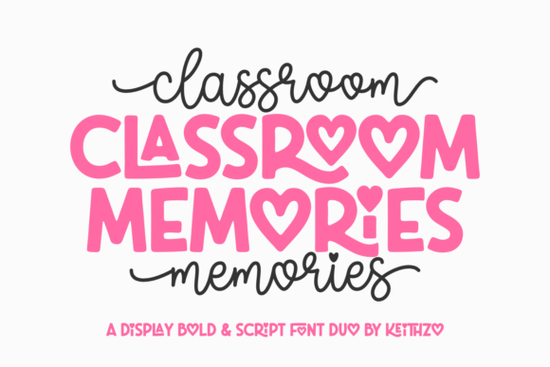
When you need a typeface that feels personal and genuinely warm, finding something that balances neat structure with casual charm can be frustrating. Classroom Memories Font solves that problem by offering a clean handwritten style that works straight out of the box. Instead of messy, hard-to-read scripts, it gives you consistent letterforms that mimic the comfort of school-day journals and quick personal notes. This makes it a reliable choice for anyone who wants authentic-looking text in their layouts without spending hours adjusting kerning or spacing.
What makes this typeface different from other handwritten scripts?
Many display scripts lean heavily into messy realism or overly stylized swashes that quickly become unreadable at smaller sizes. This typeface takes a different route by keeping the organic feel of natural handwriting while maintaining clear, uniform strokes. The baseline stays even, which means your text blocks remain professional even when printed on merchandise or digital templates. If you are looking for other friendly display options, you might also explore a design that focuses on clean readability or a style built for bold headlines, both of which share that same focus on clarity without losing personality. The real strength here is how easily it scales without looking cramped or distorted.
Which creative projects benefit most from a nostalgic handwritten style?
Handwritten typography naturally draws attention to projects that rely on emotional connection. Print-on-demand sellers often see higher engagement when using warm, familiar lettering on mugs, tote bags, or wall art that quotes childhood memories or teacher appreciation messages. Crafters working with scrapbook layouts and digital planners also find that casual scripts blend seamlessly with paper textures and playful visual elements for digital planners. Small business owners running local bakeries, daycare centers, or boutique print studios use these fonts to soften their branding while keeping everything legible on menus and price tags. The nostalgic tone works especially well when you want your audience to feel like they are reading a friendly note rather than a corporate flyer.
How do you keep the layout clean when using casual lettering?
The trick with any display typeface is giving the letters enough breathing room. Since this font already has generous character spacing, avoid cramming lines together. Set your leading about twenty percent higher than the point size to let the organic curves stand out. If you are designing multi-line text blocks, try alternating between the main handwritten title and a neutral sans-serif for body copy. For heavier, chunkier accents, compare the layout with thicker display typefaces for contrast to see how visual weight improves hierarchy. When designing for children or educational materials, you can also mix in rounded, approachable alternatives like rounded lettering for younger audiences to keep the overall tone light and readable.
What should I check before adding this to my commercial projects?
Before exporting files for clients or uploading them to a print platform, verify the license terms for digital and physical sales. Most independent font marketplaces include a standard commercial license that covers physical products, web use, and digital downloads, but subscription tiers sometimes require an extended add-on. Make sure your design software supports the OpenType features if you need alternate glyphs or standard ligatures. Testing your text on a few different backgrounds is also essential, since high-contrast pairings usually work best with this kind of script. You can view more details and licensing information on the official Classroom Memories page to confirm exactly what your project requires.
To wrap up, here is a quick checklist before you send your designs to print or upload them online:
- Set line height to at least 1.2 to prevent overlapping strokes.
- Stick to one or two accent colors so the typography stays readable on light and dark backgrounds.
- Export a 300 DPI preview to catch any edge roughness before finalizing.
- Save a separate vector version if your print shop requires outlined text.
- Double-check your commercial rights for the specific marketplace you are selling on.
Once your files pass those steps, drop the typeface into your design software and let the natural flow handle the visual weight. Start with a single phrase on a blank canvas, adjust the tracking slightly, and you will see how quickly it adapts to your creative workflow.
Try It Free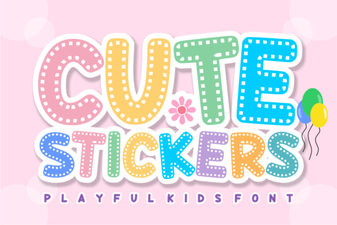 Design Creative Projects with a Cute Stickers Font
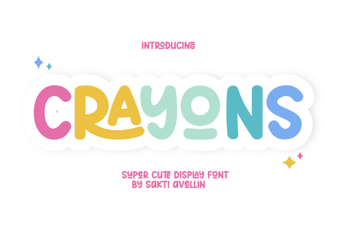 Crayons Fonts for Creative Design Projects
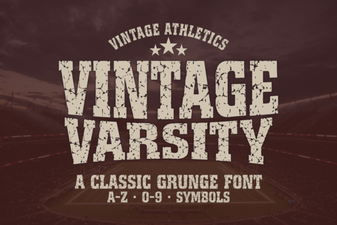 Vintage Varsity Font: Design Ideas & Creative Uses
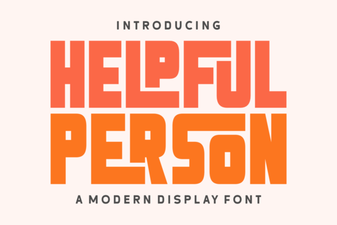 Free Fonts for User-Friendly Web Projects
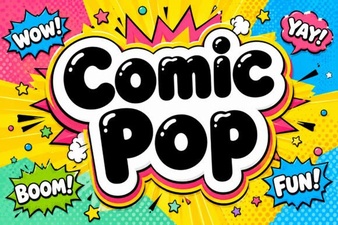 Get Creative with Comic Pop Font Projects
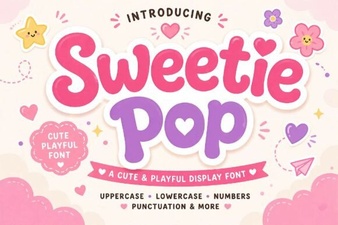 Crafting Delight with Sweetie Pop Font