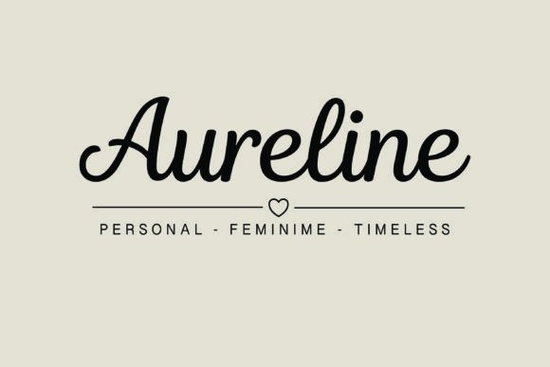
Choosing the right typography for your next branding project starts with understanding how a single typeface can set the entire mood of a design. The Aureline Font offers a clean, monoline script style that bridges traditional calligraphy with modern readability. Designers, crafters, and print-on-demand sellers often look for lettering that feels personal without sacrificing professional polish. This typeface delivers exactly that balance, using consistent stroke thickness and natural spacing to keep your layouts looking sharp across both print and digital formats.
Why do delicate scripts work so well for wedding and boutique branding?
Luxury markets and wedding planners rely heavily on visual cues that communicate care and craftsmanship. When you work with a typeface that mimics hand-lettered strokes, the final piece feels more intimate. This script uses flowing rhythm and carefully proportioned loops to create a feminine, timeless aesthetic. Unlike heavy brush scripts that can blur at smaller sizes, its refined structure stays legible on packaging, custom labels, and invitation suites. Small business owners can pair it with clean sans serif fonts to let the decorative lettering stand out without overwhelming the layout.
How does a consistent stroke weight improve real-world printing results?
Monoline designs are often easier to manage during the pre-press stage because the uniform thickness reduces unexpected ink bleed or pixelation. This makes the font highly practical for POD products like tote bags, ceramic mugs, and vinyl decals. Crafters who use cutting machines also appreciate how predictable lines translate to clean vector paths. If you are exploring different script options for your shop, comparing styles like modern handwritten alternatives can help you decide which curve structure fits your customer base best. The balanced posture ensures that even when scaled down, the delicate details remain intact.
Which creative projects benefit most from signature-style typography?
You will notice this style performs exceptionally well in editorial headers, logo marks, and product photography overlays. The flowing connections between characters give a polished, artisanal look that works for lifestyle blogs, boutique packaging, and social media templates. Hobbyists making handmade stationery or digital planners often layer it over subtle watercolor backgrounds or minimalist line art to create a curated feel. For those building a cohesive visual library, browsing through relaxed hand-drawn styles alongside cleaner scripts provides useful contrast when designing seasonal collections. The key is keeping negative space open so the elegant lines can breathe.
What practical steps should you follow before applying script lettering to commercial designs?
Always check the commercial license terms and test how the glyphs behave at different resolutions. Start by adjusting kerning between capital letters and lowercase connectors to avoid awkward overlaps. Many beginners struggle with tracking, so keeping character spacing tight but consistent usually yields better results. If you need a quick reference for proper typography pairing, reviewing how professionals handle coastal-inspired type treatments offers solid insight into balancing decorative and structural fonts. For those who want to explore romantic design layouts, pairing options with similar loops can spark new layout ideas. If you want to explore more technical specifications, the official project page includes full glyph previews. For direct access to the original design files and licensing details, you can view the Aureline collection online. Always export a high-resolution proof before sending files to your print vendor.
Quick preparation checklist before your next print run
- Open the font file in your design software and test letter combinations to catch overlapping glyphs.
- Set up your document color profile to CMYK for physical products and RGB for digital mockups.
- Scale the type to your actual print size and zoom to 100 percent to verify line clarity.
- Check commercial usage rights to ensure your project scope matches the included license agreement.
- Save a vector backup and a flattened preview to streamline communication with your manufacturer or client.
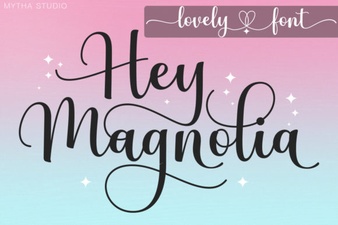 Hey Magnolia Font: Creative Design Examples
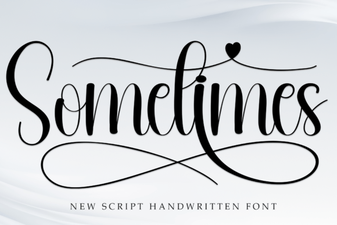 Creative Uses for a Sometimes Font in Design Projects
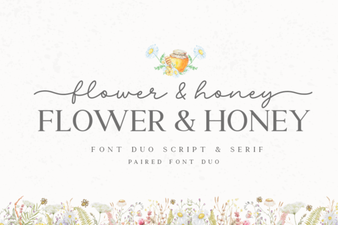 Floral & Honey Font for Sweet Designs
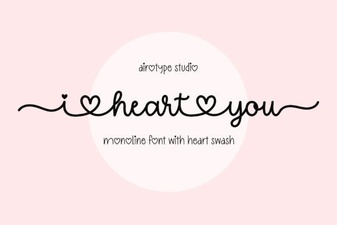 Download Your Favorite I Heart You Font
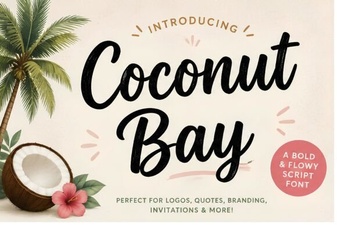 Coconut Bay Font: Tropical Typography for Vibrant Designs
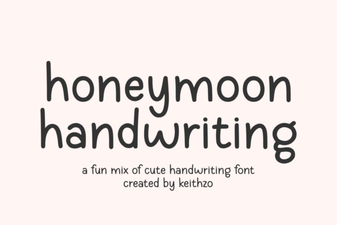 Honeymoon Handwriting Font for Creative Projects