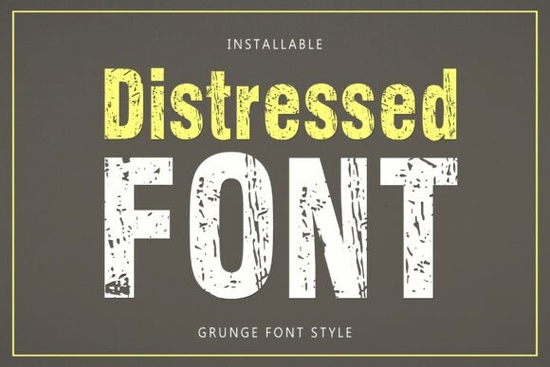
When you need a layout that feels lived-in rather than polished, typography choice makes the difference. The Distressed Font delivers weathered authenticity. Instead of flat vector lines, it carries subtle edge wear and textured imperfections that give every layout an immediate sense of history. Whether you are preparing a market poster, mocking up a vintage t-shirt, or building a small brand identity, this typeface skips digital gloss and leans into raw, tactile character.
When does a worn typeface actually improve a layout?
Textured lettering works best when you want to communicate age, durability, or nostalgia without relying on heavy graphics. A bold, vintage-inspired alphabet naturally draws attention because it breaks away from standard clean shapes. If your project involves retro branding, you can apply the font to packaging where a slight rough edge suggests craftsmanship. Grunge aesthetics benefit from this approach, as uneven edges pair well with faded photographs and muted color palettes. For army-style projects or tactical gear, the typeface mimics stenciled military markings while keeping letters distinct and legible.
Crafters and print-on-demand sellers often pair this style with simpler visual elements to keep focus on the message. You might notice that athletic-themed typefaces follow a similar rule: strong contrast paired with a specific mood keeps merchandise cohesive. The same principle applies to chunky seasonal lettering where clear readability matters more than decorative details.
How do I keep the texture readable at different sizes?
Heavy wear on letters can blur into the background if scaled too small or placed over complex images. Keep headlines at least 24 points when working on digital mockups. For longer descriptions, choose a neutral secondary font to create breathing room. Many designers pair textured displays with straightforward sans serifs like Montserrat because it does not compete with rough headlines.
Contrast keeps the rough edges sharp. Print on dark fabrics with a light underbase, or use high-contrast color pairings on paper posters. Avoid placing text directly over detailed textures unless you add a solid backdrop shape. Small businesses selling printed apparel should always request a physical proof, since screen prints and direct-to-garment transfers react differently to fine grunge details.
What should I check before listing products for sale?
Commercial licensing terms vary across marketplaces, so reading the included documentation is the safest step. Most display typefaces allow unlimited physical goods like shirts, mugs, and posters, but restrict reselling the actual font files. Keep your exports organized, and always work at 300 DPI for print-ready assets. If your shop focuses on nostalgic decor, you will find that education-themed typography shares similar usage rights and complements vintage styles when organized into separate collections.
Hobbyists designing digital planners or physical stickers often ask whether rough edges translate to glossy prints. Results depend on your printing method. Crisp matte paper handles textured type beautifully, while high-gloss finishes tend to soften the worn look. For digital products, export designs as transparent PNGs to give buyers flexible editing options. You can easily combine this vintage style with casual handwriting options or decorative sticker collections to build cohesive digital storefronts.
Quick checklist before publishing
Verify licensing: Confirm commercial rights cover physical goods, web use, and client projects.
Test at scale: Print a small sample to check how worn edges render on your specific material.
Pair wisely: Combine with a clean body font to maintain visual hierarchy.
Export correctly: Use 300 DPI CMYK for professional printing, or transparent PNGs for digital downloads.
Save working files: Keep layered source files separate from flattened exports for quick future edits.
Next step: Open your design software, place the type on a blank canvas, and test two contrasting color palettes before committing. Adjust letter spacing slightly to observe how negative space impacts the vintage feel. Once readability balances with the intended weathered effect, lock your settings and begin generating product variations for your shop.
Learn More
 Design Creative Projects with a Cute Stickers Font
 Fonts for Capturing Classroom Memories
 Crayons Fonts for Creative Design Projects
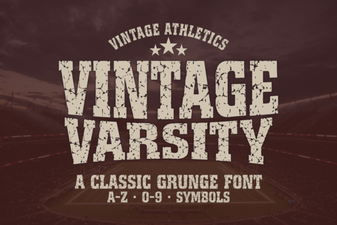 Vintage Varsity Font: Design Ideas & Creative Uses
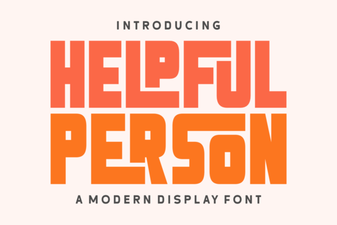 Free Fonts for User-Friendly Web Projects
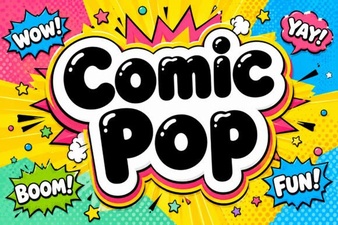 Get Creative with Comic Pop Font Projects