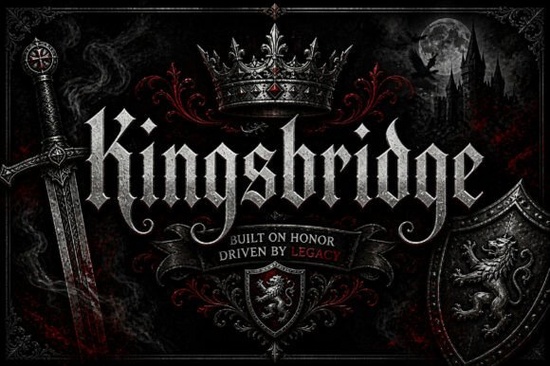
When you need typography that commands attention without sacrificing elegance, a well-crafted display typeface makes all the difference. The Kingsbridge Font delivers that exact balance by combining traditional gothic letterforms with clean, modern spacing. Instead of relying on heavy, cluttered strokes, it uses dramatic contrast and carefully placed swash details to give your layout a sharp, sophisticated edge. Whether you are designing a boutique label or a vintage concert poster, this style cuts through visual noise while keeping your core message legible. You can see how the spacing and swash elements come together when you explore the preview of the letterforms and alternates before starting your layout.
Blackletter and gothic typography have evolved from historical manuscripts into highly practical tools for modern visual identity. Designers and small business owners often reach for this aesthetic when they want to project authority, heritage, or luxury. The heavy vertical strokes and sharp terminals naturally draw the eye, which makes them perfect for short text blocks. If you plan to use them for body copy, pair the display letters with a clean sans serif or a neutral serif to keep the reading experience smooth. For creators working on merchandise, packaging, or event graphics, sticking to one or two strong words per line preserves the intended impact.
What projects actually benefit from gothic display typefaces?
Not every design needs high-contrast historical styling, but certain niches rely on it heavily. Tattoo studios use it for custom flash sheets and storefront signage. Independent fashion brands apply it to woven tags, hang tags, and lookbook covers. Music artists and podcasters lean on this style for album art and episode thumbnails because it reads clearly even at smaller thumbnail sizes. If you sell print-on-demand products, this typography works best on items where the text remains large enough to preserve those sharp serifs and swash tails. Tote bags, posters, mugs, and phone cases all show the details without losing readability.
How do you maintain readability while keeping the vintage aesthetic?
The main challenge with any gothic display font is managing spacing and hierarchy. Start by increasing tracking slightly so the sharp angles do not crowd each other. Keep line spacing generous, and avoid full-paragraph blocks. Use the swash alternates sparingly they look best on initial capital letters in titles, not on every word. If your design includes secondary information like dates or descriptions, set that text in a simpler companion font at 60 to 70 percent size. This creates a clear visual path for the viewer. Always test your layout at the exact print size or screen dimensions before exporting, because intricate terminals can blur on lower-resolution outputs.
What should you verify before using it for commercial work?
Commercial licensing varies across design marketplaces, so checking usage rights is a necessary step for freelancers, agencies, and shop owners. Most digital typefaces allow use across client projects, physical merchandise, and web graphics, but some restrict embedding in editable templates or resale of digital files. Review the included license document carefully, and keep a copy on file for accounting records. If you are unsure about a specific use case, reach out to the creator directly. For creators who prefer to compare options or explore matching typefaces, the Kingsbridge Font search page shows related styles and licensing notes.
Practical typography is about matching the right tool to the project goals. This particular style works when you want a statement piece that feels established and premium, but it requires thoughtful hierarchy and generous breathing room. Test your mockups under different lighting conditions or screen brightness levels, and ask someone unfamiliar with your design to read the headline at a glance. If they catch the message without straining, you have balanced drama and clarity correctly. Keep your color palette restrained deep charcoal, cream, or muted metallics usually enhance gothic forms without overwhelming them.
Before finalizing your file, run through these quick checks to avoid common layout mistakes:
- Export at the highest resolution your print or platform allows.
- Verify that all swash characters render correctly in your software.
- Confirm the commercial license covers your exact product type.
- Test the headline at actual size to ensure sharp edges remain crisp.
- Pair with a simple body font that does not compete for attention.
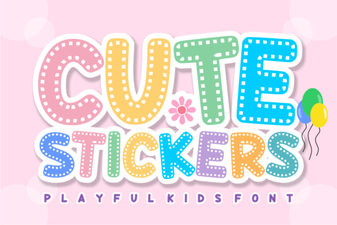 Design Creative Projects with a Cute Stickers Font
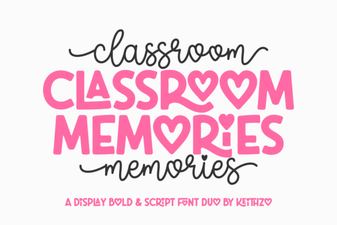 Fonts for Capturing Classroom Memories
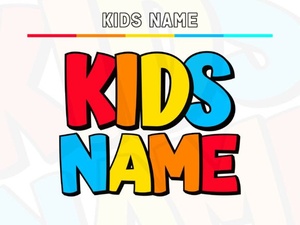 Creative Kids Name Fonts for Crafting Fun Projects
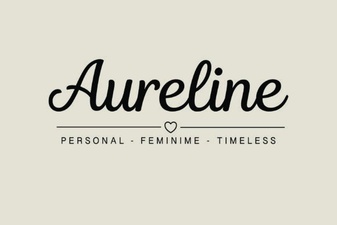 Aureline Font: a Creative and Versatile Typeface
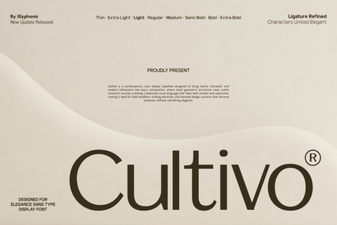 Cultivo Font: Modern Display for Creative Projects
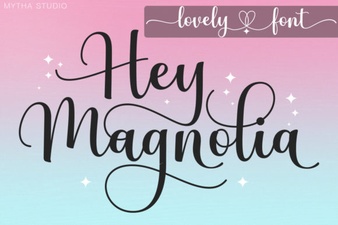 Hey Magnolia Font: Creative Design Examples